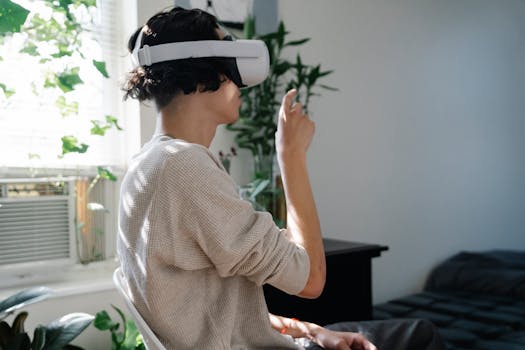
Imagine this: you’re at a dinner party, a beautiful bottle of Cabernet Sauvignon graces the table. You’ve heard murmurs about its provenance, a fleeting mention of a passionate winemaker. But without context, it’s just… wine. Now, picture lifting your smartphone, pointing it at the label, and suddenly, a short video clip springs to life – the very vineyard owner, their hands dusted with soil, sharing the inspiration behind this vintage. The story unfolds, the aromas seem to deepen, and the wine itself feels richer, more profound. This isn’t science fiction; this is the emerging frontier of augmented reality wine.
For centuries, the wine label has been our primary gateway to understanding what’s inside the bottle. It tells us the grape varietal, the region, the producer, perhaps a vintage year. But what if that label could become a portal? A dynamic canvas brimming with rich narratives, tasting insights, and even interactive experiences? The implications of augmented reality wine are far-reaching, promising to democratize wine knowledge, elevate the tasting experience, and forge deeper connections between consumers and the liquid in their glass.
Uncorking the Stories: Beyond Static Information
The traditional wine label, while steeped in tradition, often offers a static snapshot. It’s a whisper of a story, leaving much to the imagination or requiring dedicated research. Augmented reality wine technology aims to amplify that whisper into a resonant narrative.
By simply scanning a bottle with a compatible app, consumers can unlock a treasure trove of information that goes far beyond the printed word. Think about it:
Vineyard Narratives: See drone footage of the vineyard, understand the microclimate, and hear directly from the viticulturist about the challenges and triumphs of a particular growing season.
Winemaker’s Vision: Gain insight into the winemaker’s philosophy, their blend choices, and the specific techniques that define the wine’s character. This personal touch can foster a unique sense of connection and appreciation.
Food Pairing Suggestions: Beyond generic advice, imagine an AR overlay that visually suggests specific dishes, perhaps even showing a chef preparing a complementary meal, making the pairing dynamic and intuitive.
This isn’t just about adding more data; it’s about making that data accessible and engaging. It transforms the act of choosing and enjoying wine from a passive consumption to an active exploration.
Enhancing the Tasting Experience: Visualizing Nuance
The art of wine tasting is inherently subjective and relies heavily on sensory perception. While tasting notes provide a guide, they can sometimes feel abstract. Augmented reality wine has the potential to bridge this gap, offering visual cues that complement and clarify the olfactory and gustatory experience.
Consider how AR could revolutionize our understanding of tasting notes:
Aroma Visualization: Imagine an AR projection that visually represents the dominant aromas, perhaps a subtle animation of dark berries when you detect blackcurrant, or a gentle shimmer of oak notes. This could help novice tasters identify and articulate what they are experiencing.
Palate Mapping: Some AR applications are exploring ways to map the perceived flavors and textures on the palate, illustrating where acidity hits, where tannins linger, and where fruit notes blossom. This offers a new dimension to understanding the wine’s structure.
Comparative Tasting: In a tasting flight, AR could overlay key characteristics of each wine side-by-side, allowing for immediate visual comparison of their profiles, making it easier to discern subtle differences.
It’s fascinating to think about how these visual aids could not only educate but also build confidence in a consumer’s own tasting abilities. It encourages a more mindful and detailed engagement with the wine.
Democratizing Wine Knowledge: Empowering the Everyday Drinker
For so long, deep wine knowledge has felt like an exclusive club. Wine education can be intimidating, with jargon and complex hierarchies. Augmented reality wine offers a powerful tool for broader accessibility, effectively putting a sommelier in your pocket.
How can AR make wine more approachable?
Interactive Education: AR experiences can gamify learning about wine regions, grape varieties, and winemaking processes, making education fun and less daunting.
Personalized Recommendations: Based on a user’s past scans or stated preferences, AR apps could offer tailored wine suggestions, acting as a virtual sommelier guiding choices.
Bridging the Gap: For those who might feel shy asking a salesperson for help, AR provides a private, informative space to explore and learn at their own pace.
In my experience, one of the biggest hurdles for many wine enthusiasts is the fear of “getting it wrong.” AR offers a supportive environment to learn and experiment without judgment, truly democratizing the enjoyment of wine.
The Future is Now (Or Very Soon): Challenges and Opportunities
While the prospect of augmented reality wine is exciting, its widespread adoption isn’t without its hurdles.
Technological Accessibility: While smartphone penetration is high, not everyone has the latest device or data plan to support AR experiences consistently.
App Development & Maintenance: Creating robust, engaging AR content requires significant investment from wineries and tech developers. Keeping these apps updated and relevant is also a continuous challenge.
Consumer Adoption: Will consumers embrace scanning bottles as a routine part of their wine experience? This requires a shift in behavior and a clear demonstration of value.
* Data Privacy: As AR applications gather user data, ensuring privacy and transparency will be paramount.
However, these challenges are often catalysts for innovation. We’re already seeing creative implementations from forward-thinking wineries and tech startups. The potential for AR to deepen our appreciation for wine – from the soil to the sip – is immense. It’s about transforming a beverage into an experience, a story, and a shared moment of discovery.
Wrapping Up: Embrace the Augmented Sip
Augmented reality wine is poised to move beyond a novelty and become an integral part of how we select, understand, and savor wine. It promises to unlock hidden narratives, clarify complex tasting notes, and make the world of wine more accessible to everyone.
So, the next time you pick up a bottle that catches your eye, don’t just look at the label – see if it has a digital story waiting to be revealed. Download an AR wine app and prepare to be surprised by what lies beyond the glass.